Moneer: The Retro Display Font for Handmade Brands
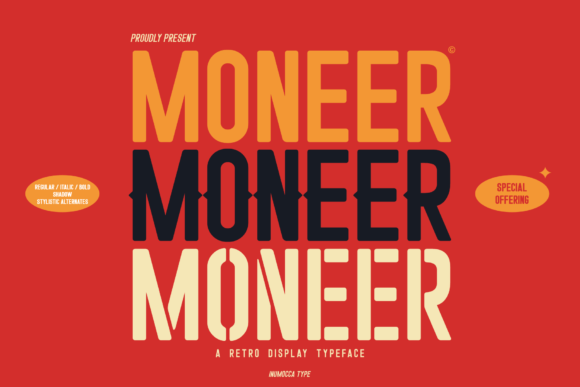
When I started my small shop selling handmade candles and printable stationery, I quickly realized that the right typeface could make or break a product's appeal. Customers don't just buy a candle; they buy the story on the label. They don't just buy a card; they feel the emotion in the lettering. That is why I have been searching for a font that balances nostalgia with modern usability. Enter Moneer, a Retro Display typeface that brings the vibrant energy of the 70s era to your craft projects without sacrificing readability.
This isn't just another decorative font for digital screens. Moneer is designed to be powerful and unique, making it an excellent choice for physical products where every millimeter counts. Whether you are cutting designs for a Cricut machine, printing labels for artisanal soaps, or creating SVG files for Etsy listings, this font offers a distinct character that stands out in a crowded marketplace.
Bringing 70s Charm to Modern Craft Projects
The visual personality of Moneer is defined by its playful yet simple structure. It captures the essence of the 70s style era with rounded edges and a confident stance. For a crafter, this means you can evoke a specific mood instantly. Imagine using Moneer on a set of wooden signs for a farmhouse wedding; the retro vibe adds warmth and authenticity that feels both timeless and trendy.
I often use display fonts like Moneer for short phrases, names, and titles where impact is crucial. Because the characters are unique and bold, they work beautifully as focal points. You might see this font used on boutique tags attached to hand-knitted scarves, where the playful nature of the letters suggests creativity and care. It transforms a standard product tag into a mini-brand statement.
The font is particularly effective for seasonal designs. During the holidays, I have used Moneer for festive gift tags and holiday packaging boxes. The retro aesthetic fits perfectly with vintage Christmas themes, adding a touch of whimsy that customers love. It is also a fantastic option for summer-themed merchandise, such as tote bags or t-shirts, where a fun, laid-back vibe is desired.
Practical Applications for Labels and Printables
One of the most common questions I get from other sellers is whether a specific font will look good on small items. With Moneer, I have found that it maintains its charm even at smaller sizes, provided you choose the right weight. This makes it highly suitable for product labels on jars, stickers for planners, and details on greeting cards.
For my printable wall art business, Moneer has become a go-to for creating motivational posters and nursery decor. The strong character of the letters ensures that the message is clear and readable from a distance. When designing invitations, the font adds a layer of sophistication that feels curated rather than generic. It elevates the perceived quality of the entire project, which is essential for commanding higher prices in the handmade market.
Here are some specific ways I incorporate Moneer into my workflow:
- Candle and Soap Labels: The font's clean lines prevent text from becoming blurry when printed on curved surfaces.
- Wedding Welcome Boards: Its bold presence makes it perfect for large-scale signage that needs to be read easily by guests.
- Digital Planners: I use it for headers and section dividers in printable journals to create a cohesive, retro-modern look.
- Merchandise Mockups: When creating mockups for mugs or phone cases, Moneer helps the design pop against various backgrounds.
Readability and Cutting Machine Performance
As a seller who relies heavily on cutting machines like Silhouette and Cricut, I know how important kerning and spacing are. Moneer handles these aspects well, but I always recommend testing your cut files before running a full production batch. For intricate designs or very small stickers, ensure that the strokes are thick enough to hold together during the weeding process.
When creating SVG-style designs, the unique character of Moneer allows for creative layering. You can combine the main text with decorative elements to create complex logos or emblems. However, remember that this is primarily a display font. While it looks great for headlines and brand names, it is generally not the best choice for long paragraphs of body text. Stick to using it for impactful statements, product names, and decorative wording to maintain clarity.
Mastering Font Pairing for Brand Identity
No single font can do everything. To create a professional brand identity, pairing Moneer with complementary typefaces is key. Since Moneer has a strong, playful personality, it pairs exceptionally well with a clean sans serif font for secondary information. For example, you might use Moneer for the brand name on a coffee bag and a simple, thin sans serif font for the ingredients list.
If you want to lean further into the handmade aesthetic, try pairing Moneer with a handwritten script font. The contrast between the structured, retro display letters and the fluid, personal touch of a script creates a dynamic visual hierarchy. This combination works wonderfully for wedding invitations, where you might use Moneer for the couple's names and a script font for the invitation details.
For those looking for a more classic look, a traditional serif font can ground the playfulness of Moneer. This balance ensures that your design feels modern yet grounded, appealing to a wide range of customers. Experimenting with these combinations helps you build a versatile library of design assets that can adapt to different client needs.
Exploring Stylistic Sets and Family Options
What sets Moneer apart from other retro fonts is the inclusion of stylistic sets and a family of fonts. These features give you incredible flexibility without needing to purchase multiple separate files. If you find a particular letter shape doesn't fit your layout, the stylistic sets allow you to swap in alternate characters that might flow better.
Checking the included styles is a crucial step before starting a project. Some versions of this typeface come with ligatures that connect certain letter pairs naturally, which improves the overall flow of words. Additionally, if the font supports multilingual characters, it opens up opportunities to sell internationally or create designs for diverse audiences. Always review the file formats to ensure compatibility with your preferred software, whether it is Adobe Illustrator, Canva, or Silhouette Studio.
Commercial Licensing for Creators
Before you start using Moneer for your commercial ventures, it is vital to understand the licensing terms. As a creator selling physical products, templates, printables, and digital downloads, you need a commercial font license. This typically covers the use of the font in designs that are sold to others, including merchandise like shirts and mugs, as well as client work.
Always check the specific license agreement provided with the font download. Some licenses may require a separate extended license for mass production or for use in web design and social media graphics. By ensuring you are compliant with the commercial font usage rules, you protect your business from potential legal issues and respect the hard work of the type designer.
In conclusion, Moneer is more than just a pretty font; it is a tool that helps crafters tell their stories effectively. Its blend of retro charm and modern functionality makes it an invaluable asset for anyone looking to elevate their handmade goods. Whether you are designing a logo, a label, or a full suite of stationery, this display font offers the power and uniqueness needed to capture attention and build a loyal customer base.